
Whether you’re a boulderer or sport climber, we’ve all heard the term “hybrid athlete” across social media. What is it, and how can we implement the hybrid lifestyle to top our projects?
A hybrid athlete is anyone who uses other sports or activities to benefit their physical and mental health. Instead of prioritizing one sport, hybrid athletes use these sports to become stronger in a combination of sports. Whether it’s also training for a marathon, pickleball, or any other sport, here is a list of the most common sports and how each sport can benefit your climbing.
Running
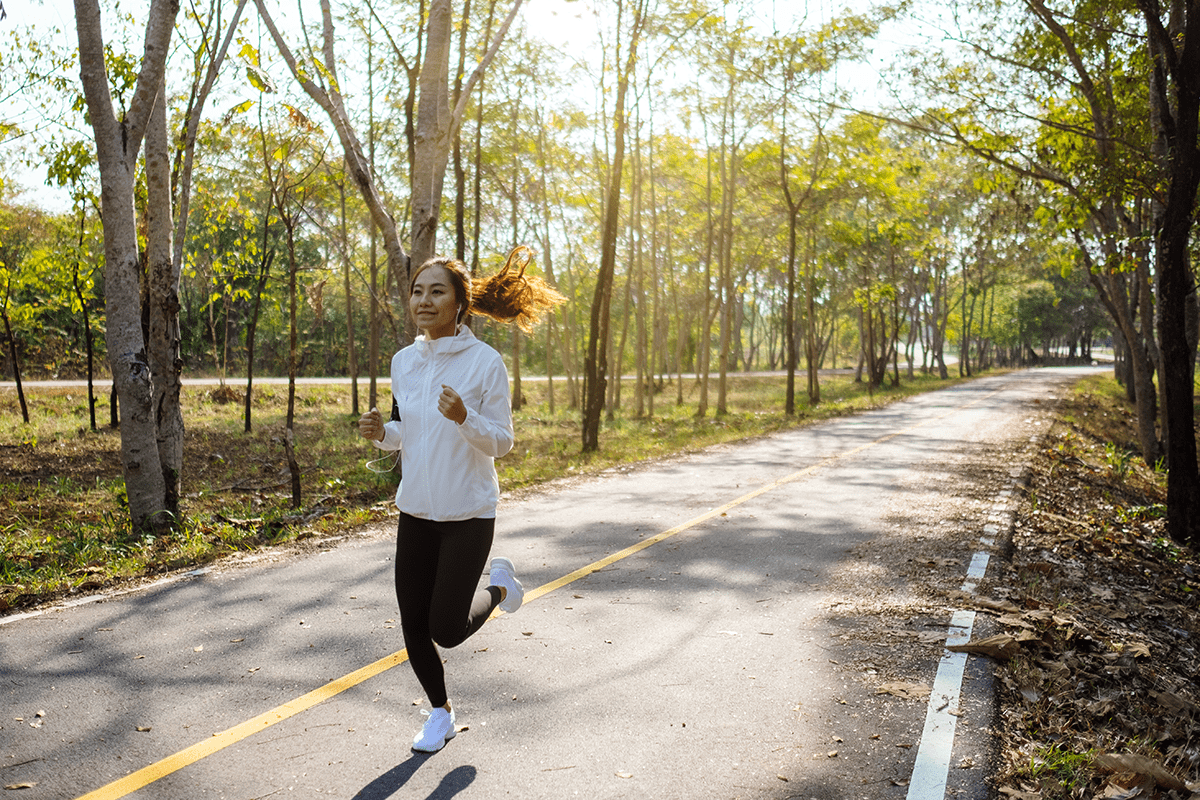
Since climbing is a more upper-body dominant sport, a sport like running can help maintain strength and mobility in your lower body. Running increases your quadriceps, hamstrings, and glutes. If you do choose to start training as a runner, you could utilize it as an active recovery activity since it’s a lower-body activity. Sprinting can benefit your ability to generate explosiveness within a small distance. Although not a track, this translates to generating power when on the wall. Distance strengthens your cardiovascular system, improving your ability to pump blood through the heart. Having a higher aerobic capacity delays muscle fatigue, allowing you to sustain longer and more intense sessions. Furthermore, aerobic fitness can aid in faster recovery between sessions. For sport climbers specifically, having improved cardio would benefit your endurance further, managing your heart rate and exertion during your send or the overall session.
Pickleball (and other ball-oriented coordination sports)
Pickleball is one of the fastest-growing sports in the country. Indoor and outdoor pickleball courts boomed almost overnight. While pickleball can be a fun way for you to converse with peers on the court, it also has benefits for your hand-eye coordination. This fast-paced sport requires you to reach the ball quickly, hit it with precision, and accurately aim for the opposite side of the court. This benefits dynamic climbers when trying to maximize their brain-body connection with precise movements when on the wall. But it can also benefit static climbers when under tension, still having to be precise with the positioning. Although not injury-preventing, pickleball could strengthen your knees for when you’re doing a funky drop knee or when you brace for impact on dynamic movements. In singles especially, sprinting toward the ball and stopping quickly helps strengthen your knees and supports joint health. This also improves your mobility and stability. Unlike running, it is less intense on your joints, meaning you can play more frequently.
Pickleball isn’t the only ball-oriented sport. Volleyball and basketball do an excellent job of benefiting your vertical jump and keeping you light on your feet. The quick and repetitive bursts of energy and dynamic movements improve your agility and power. Both sports include above-the-shoulder movement similar to climbing, benefiting your shoulders and rotator cuffs. Soccer specifically tackles agility in your feet. Dribbling the ball across the field while navigating numerous variables is challenging, but it helps improve precision when leaping to a small foot jib.
HIIT
Short for High-Intensity Interval Training, HIIT consists of various challenging workouts that last between 45 minutes to an hour, strengthening the entire body. HIIT workouts target key climbing muscles like the shoulders, core, quads, and hamstrings, helping to improve your performance on the wall. This fast-paced training boosts cardiovascular fitness, endurance, and anaerobic capacity, with heart rates typically reaching 160–170 BPM. Like bouldering, HIIT relies on short, intense bursts of effort, which enhance your maximal oxygen uptake and overall fitness. A majority of gyms offer HIIT workouts, with some tailored specifically to climbers. Otherwise, YouTube offers videos with HIIT workouts further strengthening your whole body, and can be specified to areas you want to improve the most.
Yoga/Pilates
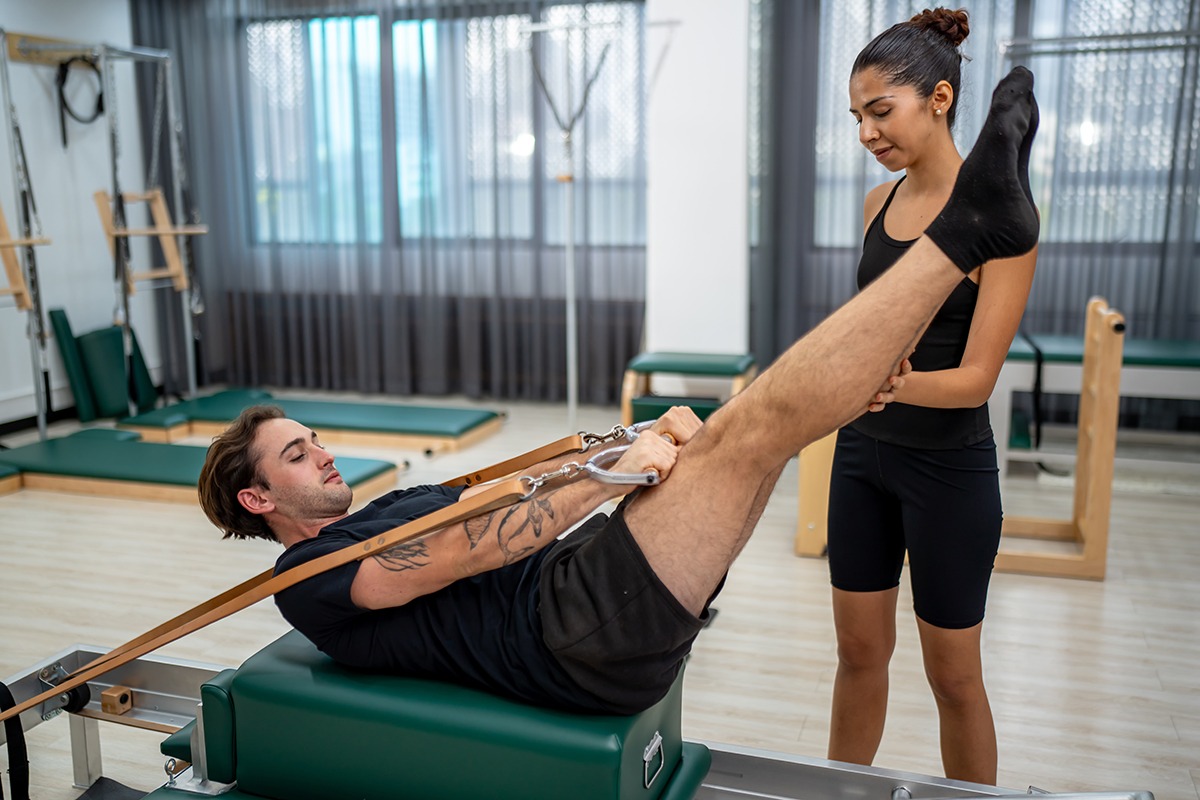
Yoga and Pilates both boost your mobility, stability, and strengthen your core. Working through different positions helps your body recover from strenuous shoulder moves or helps boost hip flexibility to keep you closer to the wall. Furthermore, holding these positions can also boost your core and allow you to hold positions you didn’t think you could hold longer. No more having to use your hands to pull your leg up to get a high foot. They also strengthen by engaging your core, arms, and legs during strenuous positions. Pilates and yoga equipment, like blocks or balls, help further strengthen your core and body while under tension. Both activities also allow more fluidity when on the wall, making you more graceful when climbing. The biggest benefit is yoga’s ability to prevent injuries (or worsen for our currently injured climbers). Working through different positions helps increase blood flow and loosen potential knots in your shoulders, back, or anywhere else in your body that could be strained or tense. Yoga also benefits your mental. Through breathwork and mindful movement, yoga helps cultivate clarity and focus. This carries over to climbing, allowing you to stay centered on your breath and body—without the distraction of anything else. Both yoga and pilates increase your range of motion, helping you reach further than previously. Similar to HIIT, many gyms offer yoga classes that incorporate movements tailored to climbers. Otherwise, YouTube has thousands of videos for all skill levels and can be specified for certain parts of your body you’d like to stretch or strengthen.
Although you don’t have to implement all of these sports, one or a few could drastically improve your climbing abilities.